I recently read an interesting article about the standoff between Anthropic and the Pentagon. After reading it, I wanted to share some of my own thoughts on the topic.
Clash of Two Camps
On one side is Silicon Valley, chasing technological idealism; on the other is the Pentagon, holding real power.
Anthropic’s CEO Dario Amodei refused two red lines: no use for large-scale domestic surveillance, and no use for fully autonomous weapons. This stand kept him in Silicon Valley’s good graces and even earned him “support” from competitor OpenAI’s Altman.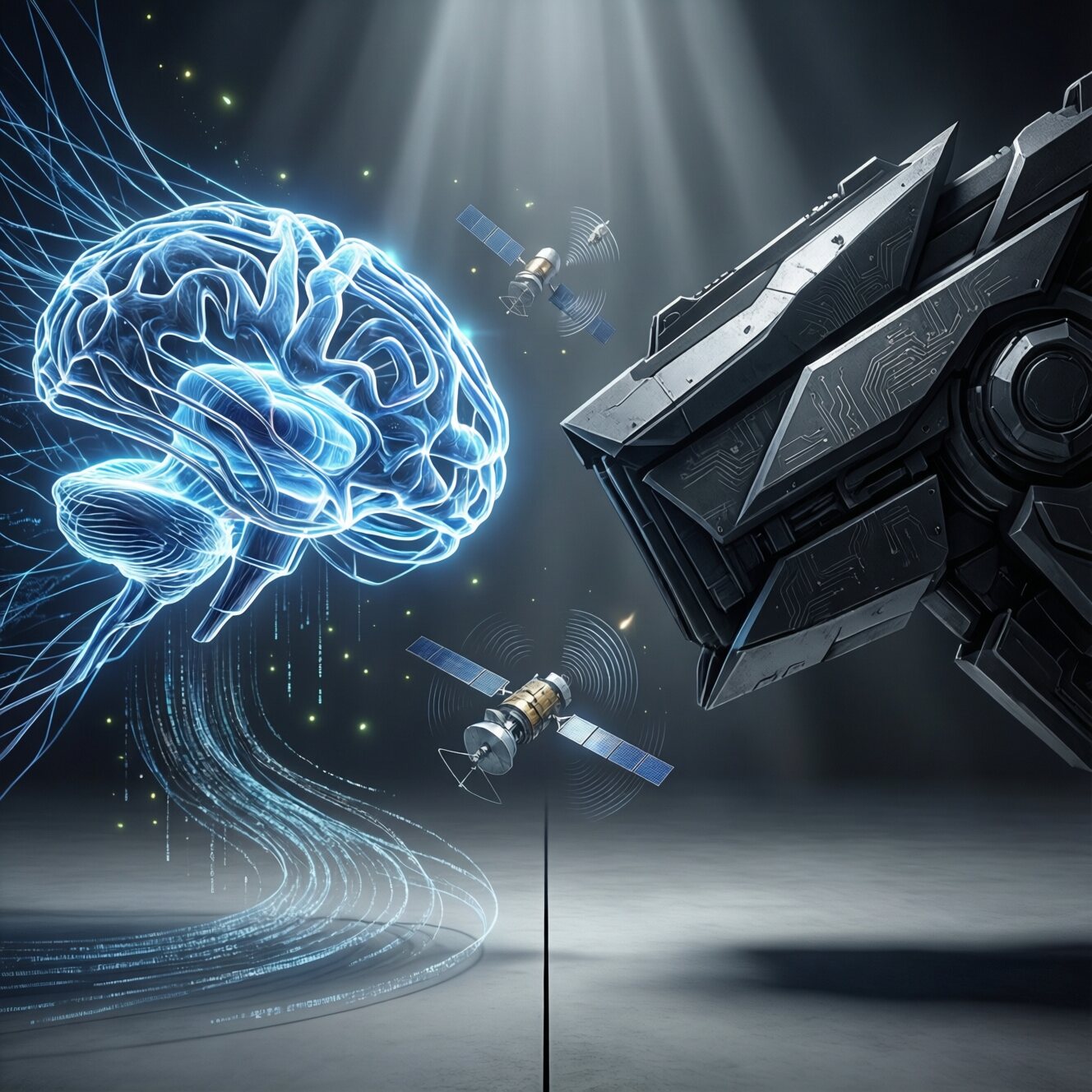
But on the other side, the Pentagon’s reaction was blunt: it threatened to label them a “supply chain risk.” That label had previously only been applied to America’s adversaries, never to a domestic AI company.
This reminds me of Google’s Project Maven controversy in 2018. At the time, 3,100 employees signed a protest petition, and Google ultimately withdrew from the project — but the contract stayed. History seems to be repeating itself, just with different protagonists.
What Exactly Does AI Change?
The article notes that in a traditional military command system, intelligence analysts had to manually compare satellite imagery, communications intercepts, and open-source social media data. Now, with AI, this process is greatly accelerated.
Palantir’s Ontology platform claims to process 1.2 million heterogeneous data records per second, turning messy information into battle elements that officers can easily understand.
Sounds cool, but I have a question: Is this really AI changing warfare, or is it just making the existing process run faster?
The Decision-Making Power Always Stays With Humans
After reading the article, my biggest takeaway is this: whether it’s Anthropic’s Claude or Palantir’s AIP, their role centers on intelligence assessment and prediction.
Actually conducting precision strikes in military operations still needs:
- Clusters of stealth drones circling in secret
- Long-term infiltration by secret-action teams like the CIA
- Day-to-day movement intelligence provided by informants
- The final decision of a human commander
As the article puts it: “Feed all this to an AI, rehearse it in a model built to a one-to-one replica of a target’s residence during the mission-preparation phase — sure, this can let you practice at low cost and carry out a capture at ever-increasing speed, but the decision-making and the pulling of the trigger are still human.”
Don’t Mythologize AI
Every time there’s news about military uses of AI, all kinds of exaggerated narratives about “AI killing autonomously” pop up. But reality is far more complex than these clickbait headlines.
AI really can accelerate strikes and optimize intelligence, but it can never decide:
- Whether to go to war
- Whom to fight for
- When to stop fighting
The ones who truly hold the life-and-death button of war are always humans themselves.
We don’t need to mythologize AI, and even less do we need to use it to dodge human responsibility. The beginning and the end of war are still decided by people.
Final Thoughts
This standoff between Silicon Valley and the Pentagon isn’t essentially a technology problem — it’s a values problem.
When a tech company says “our conscience absolutely will not allow us to compromise on these demands,” it’s drawing a boundary. And when the government threatens sanctions, it’s protecting its own authority.
There’s no simple right or wrong in this standoff, but it reminds us: technological development must be accompanied by ethical reflection, otherwise we may head toward a future we ourselves wouldn’t want to see.
Source: Sina Finance, “Has AI Really Learned to Pull the Trigger? Uncovering the Secret War Between Silicon Valley and the Pentagon”
评论
0 条评论